The Ullswater Handoff: Train, Bus and Boat Without the Panic
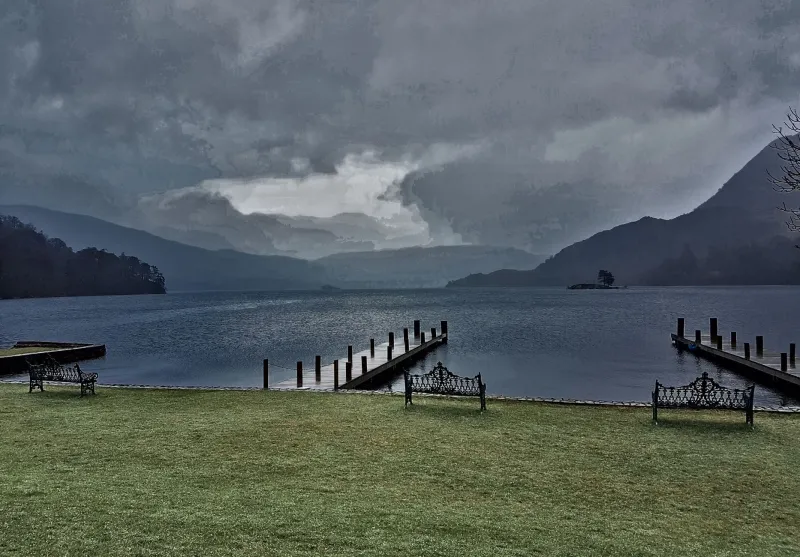
Ullswater has a way of making car-free travel look easy from a distance. You spot Penrith on the West Coast Main Line, trace a bus route towards Pooley Bridge and Glenridding, then add a steamer gliding between piers. Three modes, one lovely day out. The catch is that those three modes are not a single machine. They are separate timetables with separate moods, and the whole plan depends on how much slack you build between them.
Start at the station, not at the steamer
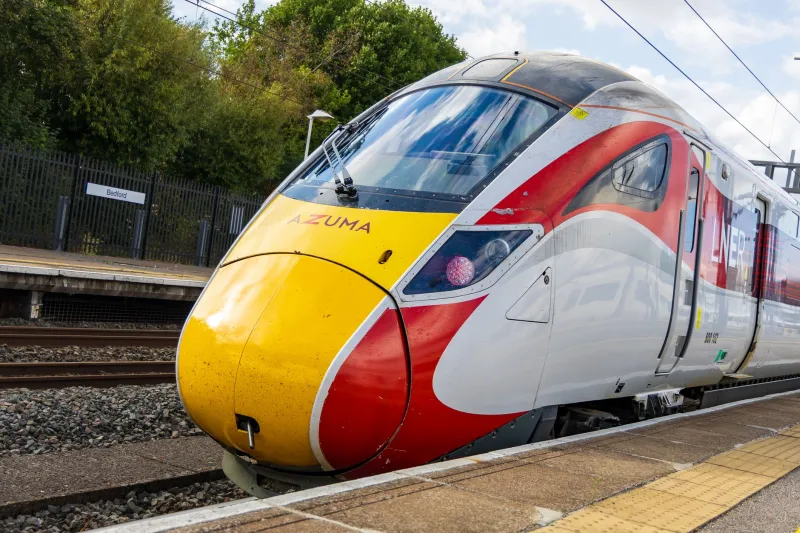
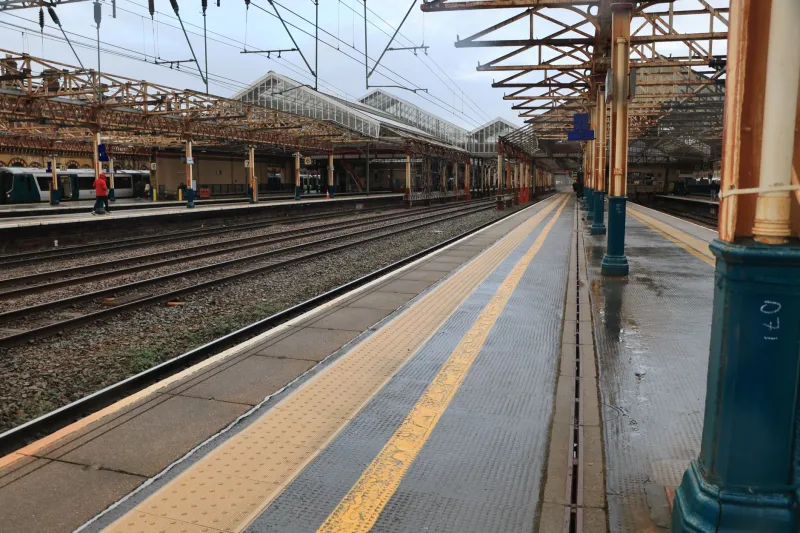
Penrith is the gateway here, and it is a good one. You can arrive from Carlisle, Oxenholme, Manchester, Birmingham or London without touching a car. The station sits within easy reach of the town centre, and the bus onwards to Ullswater is the practical link most visitors will use. The 508 corridor is the one that appears in nearly every Penrith-to-Ullswater plan, running towards Pooley Bridge, Glenridding and Patterdale. Check the current timetable before you travel, and check exactly where your bus leaves from: the bus station and the station forecourt are not the same place, and five minutes spent confirming the stop is better than ten minutes spent jogging.
The important mental shift is this: do not treat the train as the main event and the bus as an afterthought. Treat the whole thing as a handoff. Your train arrival time, your bus departure time and your boat departure time all need to be read together, ideally before you buy the rail ticket.
The timetable triangle
There are three moving parts, and each one has a different rhythm.
Trains to Penrith are frequent by Cumbrian standards, but long-distance services can arrive late. Buses along the Ullswater corridor are decent during the main part of the day, thinner on Sundays and public holidays, and vulnerable to Lakes traffic in summer. Boats are seasonal, weather-dependent and not especially interested in your bus being late. Ullswater Steamers can suspend or shorten sailings in strong winds, and the first and last sailings are not the same in July as they are in November.
The classic car-free loop is bus to Glenridding, boat to Pooley Bridge, bus back to Penrith. It works because the bus and boat do different halves of the lake, and you get a shoreline view without retracing every step. The reverse also works: bus to Pooley Bridge, boat south to Glenridding, bus back. Either way, aim for the middle of the day rather than the edges. The first boat after your bus arrives is not a target; it is a trap if you have given yourself four minutes to find the pier.
Tickets: cheap, flexible, or both?
Rail tickets are the usual fork in the road. An Advance fare to Penrith can be very good value, but it locks you to a train. If you are coming from Carlisle or Oxenholme, that is rarely a problem. If you are coming from London or Birmingham, think about whether the saving is worth the risk of a missed connection on the return. A flexible ticket is not glamorous, but neither is discovering that your bargain train left while you were still queuing for the bus.
On the bus, ask the driver about the day ticket that covers the Ullswater corridor. It is often simpler and cheaper than buying singles each way, especially if you plan to hop off at Pooley Bridge and continue to Glenridding. Check whether your rail ticket already includes PlusBus for Penrith; if it does, that changes the maths. If it does not, a bus day ticket is usually the sensible buy. The boat is separate. Book ahead if you are travelling at a busy time, but do not book a sailing so tight that a delayed bus turns a nice day into an expensive apology.
Build in slack, then build in a bit more
Thirty minutes between train and bus is a reasonable minimum for a long-distance arrival. Fifteen minutes is fine if you know the station and the bus stop, but it leaves no room for a late train, a luggage faff or a coffee stop that turns into a sit-down.
Between bus and boat, give yourself at least half an hour at Glenridding or Pooley Bridge. That is not wasted time. It is time to find the pier, visit the loo, buy a sandwich and remember that you are on holiday. If you are aiming for a particular steamer, write down the next sailing as well as the one you want. That single habit solves most of the anxiety.
And treat the last bus back to Penrith as a hard deadline, not a suggestion. Photograph the timetable. Ask the driver to confirm the last useful return. If you are relying on a Sunday service, check it twice. The lake will still be there; the bus might not be.
When the connection collapses
This is where a good Ullswater day differs from a brittle one. Have a Plan B that does not involve blaming the timetable.
If you miss the boat at Glenridding, you have not ruined the day. Walk a stretch of the shoreline, visit Aira Force if the bus stops nearby and you have the legs for it, or simply have lunch and take a later sailing. If the boat is cancelled, the bus still gets you to Pooley Bridge or Glenridding, and a shorter walk can replace the cruise. If the bus is late and the boat has gone, do not sprint. Check the next sailing, then check the bus back. Sometimes the better move is to abandon the boat and make a slower bus-and-walk day of it.
If the last bus has gone, taxis from Penrith are the realistic fallback, but they are not cheap and they are not guaranteed to be sitting at the lake. Save a local taxi number before you leave the station. If you are a group, split the fare and call it the price of a flexible timetable. If you are on your own, do not leave the last connection to chance in the first place.
A sample shape for the day
Take a morning train into Penrith, but do not aim for the first bus if it means a stressful transfer. Get the bus to Glenridding, have a wander, then take a midday or early-afternoon steamer to Pooley Bridge. From there, the bus back to Penrith is your return leg. If the boat is busy or the weather is turning, swap the order: Pooley Bridge first, Glenridding second. The lake looks different from both ends, and the day is not a race to tick off piers.
Penrith works well as a base for this because you are not trying to drive home from a lake car park at dusk. You can come back to town, eat something, and let the day settle. That is the quiet advantage of using the station as your gateway: the awkward part is the connection, not the journey.
Ullswater by train, bus and boat is absolutely doable without a car. It just asks you to respect the joins. Give yourself room, check the last return, and treat the steamer as the lovely middle of the day rather than the whole point of it. The handoff works best when nobody is running.