Train, Tent, Tarn: A Car-Free Camping Guide to the Cumbrian Fells
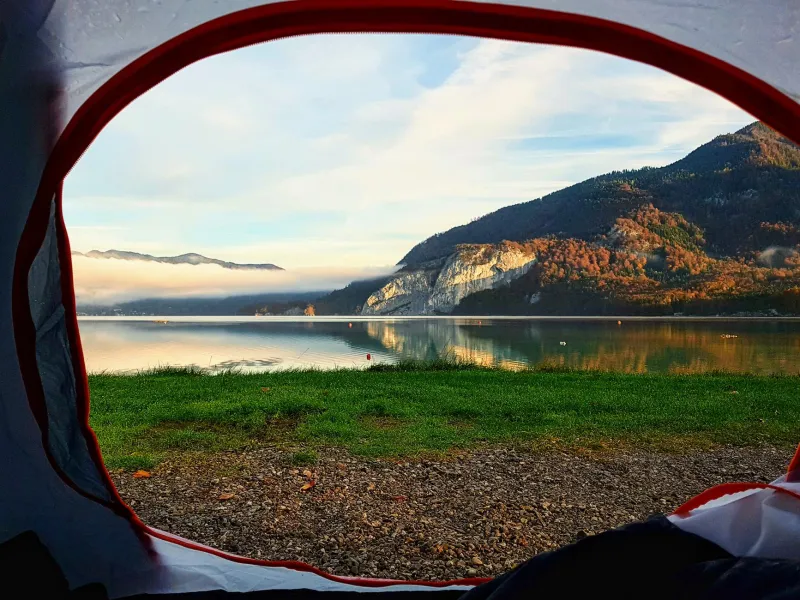
Camping without a car is one of those ideas that sounds romantic on the train and slightly chaotic by the time you’re standing outside Penrith station with a tent bag, a stove and a vague plan. The good news: it’s very doable. The better news: a bit of forethought turns a heavy slog into a genuinely relaxed car-free break.
This guide is for anyone arriving by rail at Penrith and heading into the Cumbrian fells with a tent. It’s not about wild camping being a free-for-all, and it’s not about pretending the weather will be kind. It’s about the practical stuff that makes a rail-first trip work in 2026.
1. Know what Penrith station can and can’t do
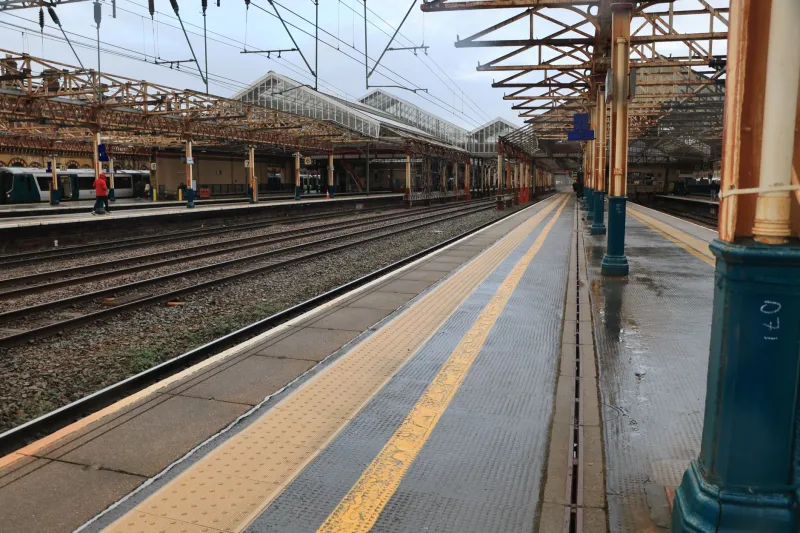
Penrith North Lakes is a compact two-platform station. As of 2026, it has a ticket office, ticket machines, toilets and waiting areas, and it remains a sensible arrival point for the Lakes and the Eden Valley. What it doesn’t have is a dedicated left-luggage locker room or showers. Don’t turn up assuming you can dump a rucksack for the day and wander off.
Facilities can change, so check National Rail before you travel if you’re relying on something specific. The taxi rank is outside, and local buses stop nearby. If you need step-free access or assistance, arrange it in advance rather than hoping for the best.
2. Pack for the train, not the car
A car boot encourages bad habits: the cool box, the folding table, the four-man tent for two people. On a train, every item has to be carried. Keep your kit compact and boring. A small backpacking tent, a lightweight sleeping mat, a three-season sleeping bag and a simple stove will cover most Cumbrian summer trips.
Wear your bulkiest layers on the train rather than packing them. Put your tent and sleeping bag in dry bags inside your rucksack. Bring a foldable rucksack liner or a large plastic bag for the return journey, because wet kit has a way of spreading misery through everything else.
3. Solve luggage storage before you arrive
Because Penrith station doesn’t have left-luggage lockers, you need a plan for early arrivals. Ask your campsite whether they allow early bag drops or can store kit before check-in. Some sites are flexible; others aren’t. Commercial luggage storage in Penrith is limited, so don’t build your day around it.
If you’re heading straight out for a walk, pack light enough to carry everything with you. If you’re waiting for a bus, a sit-down cafe and a slow coffee is a better use of time than dragging a tent around town.
4. Choose a campsite within reach
There are campsites around Penrith, in the Eden Valley and towards Ullswater, but not all are easy without a car. Look for sites on a bus route or a short taxi ride from the station. The Ullswater area is reachable via the 508 service, which is useful for walkers heading towards Glenridding, Patterdale and the eastern fells. Check the timetable carefully; seasonal services and school-holiday timings can catch people out.
Book ahead in summer and bank holidays. A car-free camper is still competing for the same pitches as everyone else. Tell the site you’re arriving by train, too. Some will give you better directions for the final stretch on foot.
5. Use shuttles and buses wisely
Local buses and seasonal shuttles are the unsung heroes of car-free camping. The 508 Ullswater service is the obvious one for the eastern Lakes, but there are also bus links within the Eden Valley and towards Alston. Timetables change, so use Traveline Cumbria or the operator’s website before you set out.
Don’t over-plan. Pick one valley or one fell group and stay put. A car-free trip that tries to cover the whole Lakes in a weekend is just a bus marathon with a tent. Choose a base, do two walks from it, and leave the rest for another time.
6. Wild camping: know the rules
Wild camping is not a general right in England. In the Lake District, it’s tolerated on some high fell ground above the intake wall, but not in valleys, laybys, car parks or beside roads. In the North Pennines, ask the landowner. Never assume a quiet corner is fair game.
If you do camp wild, keep it small, stay one night, leave no trace and don’t light fires. Use a stove. Carry out everything, including food waste. And be honest with yourself about the weather: a exposed fell pitch is not the place to discover your tent leaks.
7. Weather-proof your kit
Cumbrian weather doesn’t do subtle. Pack waterproof jacket and trousers, not just a showerproof shell. Bring spare dry clothes in a dry bag, a warm mid-layer, a hat and gloves even in summer, and a headtorch for early sunsets. Midges are a reality near water in still, warm weather; a head net is light and worth it.
Take a map and compass, or a charged phone with an offline mapping app and a power bank. Signal is patchy. Tell someone your route. And carry more water than you think you need if you’re walking from a campsite with no shop nearby.
8. A sample car-free weekend
Friday: train to Penrith, bus or taxi to your campsite, pitch up and take an evening stroll. Saturday: a full day on the fells from the tent, with a packed lunch and a strict turnaround time. Sunday: a shorter walk, a pub stop if timings allow, then back to Penrith for the train home.
It won’t be the lightest trip you’ve ever taken. But you’ll skip the traffic, the parking faff and the inevitable argument about whose turn it is to drive. And you’ll see the fells at walking pace, which is how they were meant to be seen.