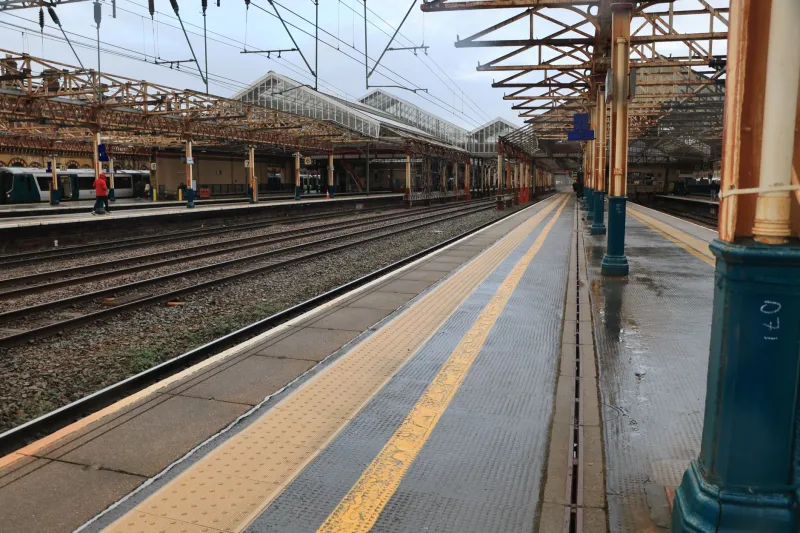
Cheaper Than the Board Says: A Penrith Rail Fares Reality Check
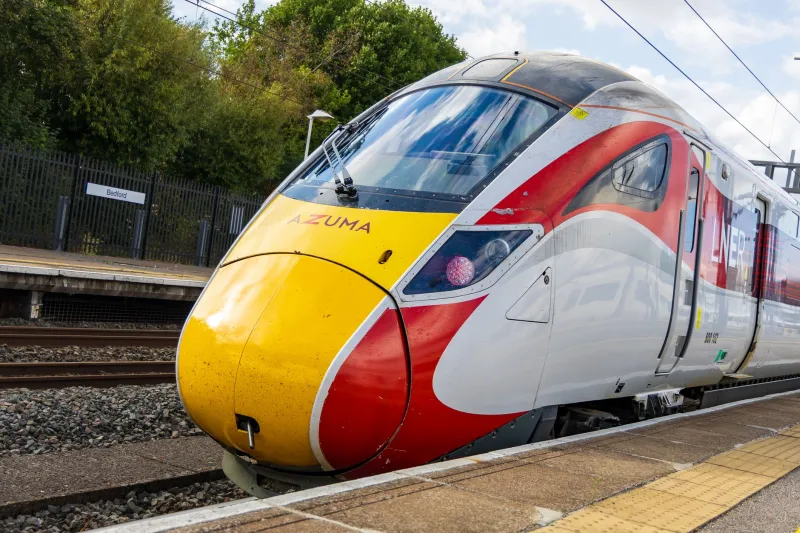
Penrith is a small station with an unusually large job. Everything running up and down the West Coast Main Line passes through it, which means the fare board here quotes prices designed for people going to London rather than for someone popping to Carlisle for a dentist appointment. The upshot is that two passengers in neighbouring seats on the same train can be paying wildly different amounts for the same journey — and the gap is not down to luck.
This is a guide to closing that gap. It is deliberately unsentimental. Some of the money-saving tricks you read about do not work from Cumbria, and one very popular railcard is close to useless here.
The numbers, and why they wobble
Fares are not fixed objects. They move with demand, they differ by operator, and they change at quieter times of year. Everything below was what I found booking weekday standard-class journeys in autumn 2026, with no promotion applied. Treat the figures as a sense of scale rather than a promise — but the patterns, and the size of the gaps, hold up.
Split ticketing: it works, just not everywhere
A split ticket is exactly what it sounds like. Instead of one ticket from A to C, you buy A to B and B to C, then stay in your seat. It is entirely legal, provided the train calls at B.
Penrith is well placed for this. Carlisle is the obvious break point heading north and for anything going over to the north-east. Lancaster and Preston are the natural ones heading south, with Oxenholme useful for Lakes connections.
The honest part first: splitting a flexible walk-up fare usually saves a couple of pounds at most, because the through fare is broadly the sum of its parts. The real money is in advance fares, where splitting can unlock cheap quota seats on each leg separately.
A worked example. A walk-up off-peak return from Penrith to Manchester is around £46. Booked as advances a fortnight out, Penrith to Carlisle can be £5.50 and Carlisle to Manchester £11–13, so roughly £18 each way. On a route where a single through advance is often £30-plus, that split is doing genuine work. Southbound, price Penrith to Lancaster plus Lancaster to Manchester as well — it is sometimes cheaper than the through fare and sometimes not, which is precisely why you check.
Three catches worth knowing:
- The train has to stop at your split point. A split at a station the service sails through is not valid, however creative the retailer.
- Two tickets can mean two sets of conditions. Buy them as separate transactions and a delay on the first leg does not oblige the second operator to carry you on a later train. Buy them as one itinerary from a single retailer where you can — you have far more leverage if things go wrong.
- Reserved seats do not travel with you. If you are on an advance with a reservation on the through ticket, splitting may leave you standing in the vestibule. Break at a station with a reasonable dwell time, such as Carlisle or Preston, and you have a fighting chance of keeping your spot.
Which railcards actually earn their keep
The two-thirds-off cards all cost £30–35 a year, so the only question is whether you spend enough to clear the fee. A third off means you need roughly £105 of qualifying fares to break even on a £35 card.
- Two Together (£35): a third off for two named adults travelling together. One walk-up return for two to Edinburgh comes close to breaking even in a single trip.
- Family & Friends (£35): a third off for up to four adults and 60% off children. A family return to Lancaster clears it immediately.
- Senior (£30): a third off, no fuss, and it pays for itself the first time you go to Edinburgh or Manchester.
- 26–30 (digital only): same maths, aimed at people who have just stopped being eligible for a student card.
- Disabled Persons (£20): a third off for the holder and a companion. Arguably the best value on the list.
- Network Railcard: the catch. It is cheap and it offers a third off, and it is not valid in Cumbria. Its area ends a long way south of the county boundary. If your journeys start at Penrith, forget it exists.
The other trap is the minimum fare. Most of these cards impose a £12 floor on weekday travel before 10:00. On the £8.50 hop to Carlisle at 08:15, your card does nothing at all. Leave after ten, or travel at the weekend, and it applies normally. This catches people out constantly.
The booking office, the machines, and what each is for
Penrith's ticket office is staffed for part of the day rather than all of it, with machines on the concourse alongside e-ticket collection. A rough division of labour:
- Machines: simple returns, collecting pre-booked tickets, the quick Carlisle hop. Perfectly fine.
- Online: advances, splits, seat reservations, anything involving a change of operator.
- The window: railcards, which need a photo and a human, plus rovers, rangers and awkward itineraries. Staff will happily sell you a split if you ask for one. They will not necessarily volunteer it, so ask.
Advance or flexible: the fell walker's dilemma
The advice for anyone whose plans depend on the cloud base is simple: match the ticket to how likely you are to change your mind.
- Carlisle: the gap between advance and walk-up is a couple of pounds. Do not bother. Buy on the day and keep your freedom.
- Lancaster: the gap is £10–15 return. Worth booking if you are sure of your dates.
- Manchester and Edinburgh: the gap can be £40 or more. Book, but go in knowing that advance tickets are tied to a train, changing them costs a fee, and refunds are effectively out.
A sensible compromise for a walk that might get rained off is an advance out and a flexible return, so the only risk you carry is the outward leg. And keep every ticket: Delay Repay is claimed per ticket, so on a split you put in for the leg that was late.
The short version
Check the split, apply the right railcard, leave before ten if you are using one, and choose advance or flexible based on how stubborn the weather is likely to be. Penrith's position on the main line is a genuine gift. Paying full whack for it is optional.